Why Most Shipping Operations Break at 500+ Orders (And What to Do Instead)
Scaling shipping isn’t about working faster—it’s about changing the system. Learn what causes breakdowns at higher volumes and how to build workflows that actually scale.
Updated On: 12th Jun 2026
Shipping usually doesn’t break all at once.
It starts subtly. Orders take a little longer. Small mistakes pop up more often. Teams begin double-checking things they didn’t have to before. Nothing feels catastrophic—but everything feels harder than it should.
At lower volumes, this kind of setup works. You can process orders one at a time, make decisions on the fly, and rely on experience to get things out the door. But as volume grows—especially around that 500+ shipments/month mark—those same habits start working against you.
What used to feel flexible now feels inconsistent. What used to feel manageable starts slowing everything down.
The issue isn’t effort. It’s that the system hasn’t evolved with the volume.
Where Things Start to Break
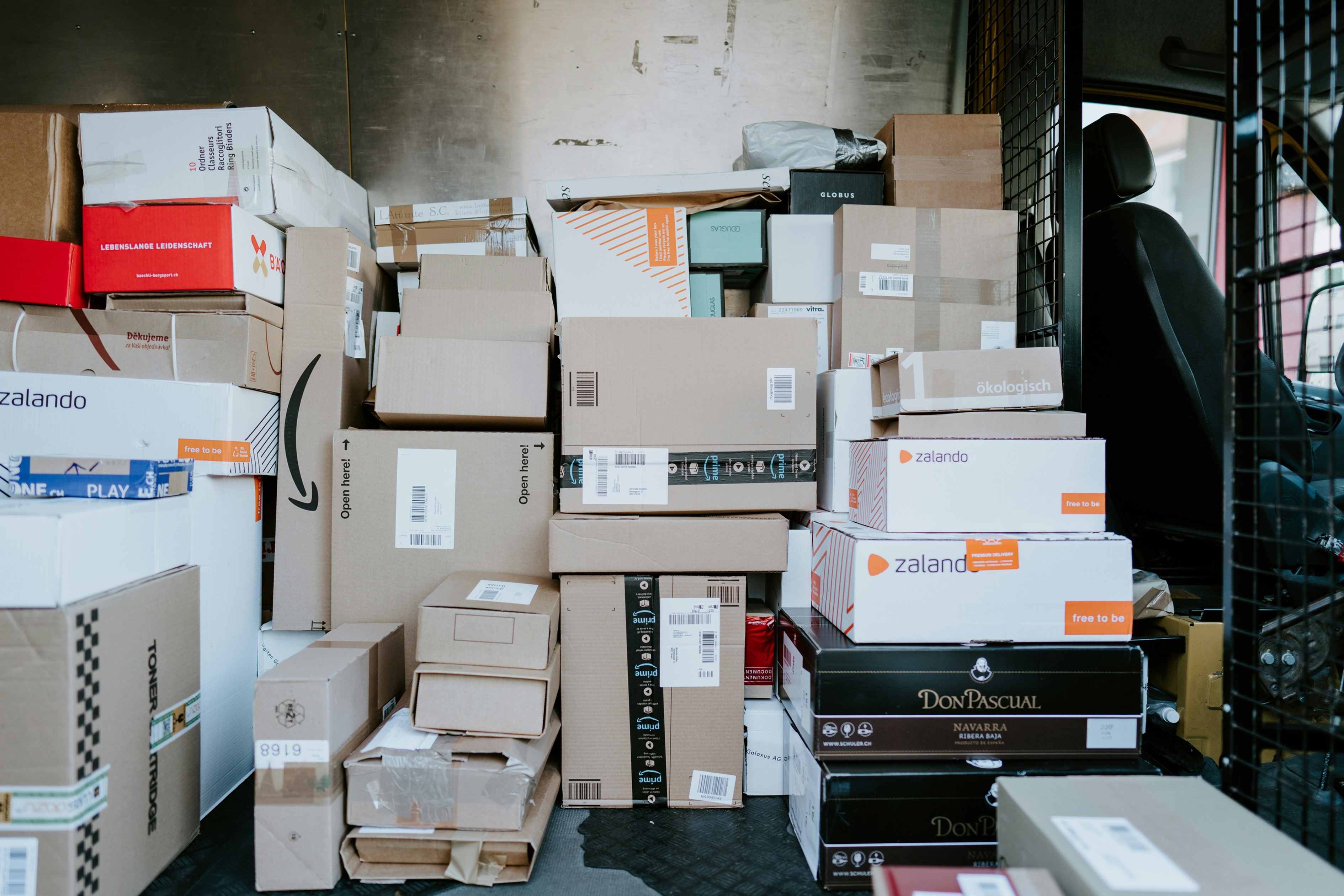
One of the first things that shows up is decision fatigue.
Every order requires small choices—carrier, service level, packaging, handling. Individually, those decisions don’t seem like much. But repeated hundreds of times, they slow everything down and introduce inconsistencies. Two people handling similar orders can end up making different decisions, which leads to variation, rework, and sometimes errors.
At the same time, many teams are still working in a one-by-one flow. Each order is treated as its own task, which creates constant context switching. That might not matter at lower volumes, but as throughput increases, it becomes harder to keep things moving efficiently.
You also start to see more rechecking. Teams pause to confirm details, re-verify labels, or double-check packaging. This isn’t usually a people issue—it’s a sign that the process itself isn’t fully trusted. When the workflow isn’t consistent, people compensate by adding manual checks.
Layer in multiple tools—label systems, carrier portals, tracking dashboards—and the process becomes fragmented. Switching between systems, re-entering data, and keeping everything aligned adds friction that didn’t exist earlier.
None of these issues are dramatic on their own. But together, they compound quickly.
Why Hiring More People Doesn’t Fix It
The natural reaction at this point is to add more hands.
And in the short term, that helps. More people can push more orders through the system. But if the underlying process is inefficient, growth just amplifies the inefficiency.
More people introduce more variation. More coordination is needed. Training becomes harder to standardize. Without a strong system, complexity grows faster than output.
Eventually, the team spends more time managing the process than actually improving it.
What Actually Scales
The teams that move past this stage don’t just work faster—they change how the work gets done.
Instead of making decisions order-by-order, they reduce the number of decisions altogether. Clear rules replace constant judgment calls. Common scenarios are standardized so the default path becomes obvious and repeatable.
They also stop treating orders as isolated tasks. Instead, work begins to flow in grouped patterns. Similar shipments are handled together, which reduces switching and keeps momentum high. The difference isn’t just speed—it’s consistency.
Over time, repeatable steps get pulled out of the manual workflow. Not everything needs automation, but the parts that are repeated most often benefit from it. Removing those small, repetitive actions reduces both errors and delays.
Just as important, visibility improves. Instead of guessing where things are in the process, teams can see it clearly. That alone eliminates a surprising amount of friction.
The Real Shift
The biggest change at this stage isn’t technical—it’s how you think about the work.
Early on, shipping is about handling orders.
At scale, it becomes about managing flow.
Once that shift happens, the focus changes. You’re no longer trying to move faster within a broken system—you’re shaping a system that moves smoothly on its own.
Where This Is Going
The biggest change at this stage isn’t technical—it’s how you think about the work.
Early on, shipping is about handling orders.
At scale, it becomes about managing flow.
Once that shift happens, the focus changes. You’re no longer trying to move faster within a strained process—you’re shaping a system that moves smoothly on its own.
That’s really the direction modern shipping operations are heading. Less manual coordination, fewer decisions per order, and workflows that are structured to handle volume without constantly needing intervention.
It’s also what we’ve been focusing on with Shipkasa—helping teams move away from one-by-one processing and toward more structured workflows using batching and automation to reduce complexity as volume grows.
Because at a certain point, the goal isn’t just to keep up—it’s to make the process sustainable.