5 Ways To Reduce Shipping Cost For Small Businesses
January 28, 2026 3 min read

Shipping costs can quickly eat into profits for small businesses, especially with rising carrier rates and hidden surcharges. This guide breaks down five practical ways to reduce shipping expenses without compromising customer experience—from comparing carrier rates to optimizing packaging and post-purchase workflows. Learn how smarter fulfillment decisions can eliminate waste, prevent errors, and protect margins. With the right tools, small businesses can ship efficiently, save money, and keep customers coming back.
For many small businesses, shipping has become one of the biggest and most underestimated operational costs. Rising carrier rates, unpredictable surcharges, and customer expectations for fast and cheap (or no) shipping fees put pressure on margins daily. But reducing shipping costs doesn’t have to come at the expense of customer experience. Whether you are shipping a few orders or many, with the right support systems and fulfillment workflows, you can ship smarter, avoid hidden expenses, and protect your businesses profits.
Here are five actionable strategies small businesses can use to make shipping more cost-effective without hurting the customer experience.
1. Compare Carrier Rates Before You Ship
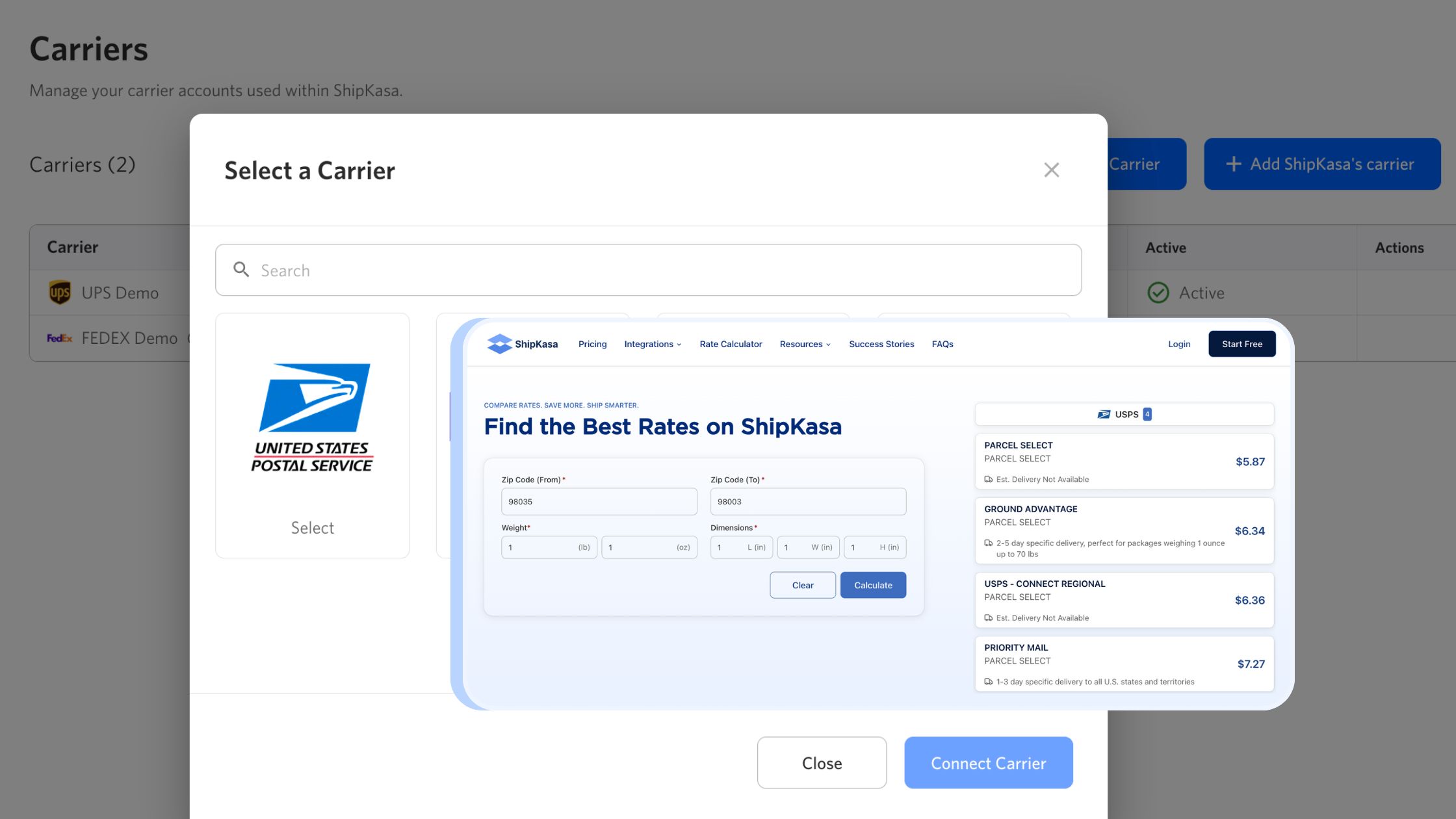
Most small businesses default to a single carrier out of habit or convenience — but that is expensive. Studies show that brands relying on only one carrier can overpay by 12–15% annually. Rates fluctuate daily based on zone, weight, and seasonal surcharges, therefore “default option” isn’t always the cheapest.
2. Move from manual to batch
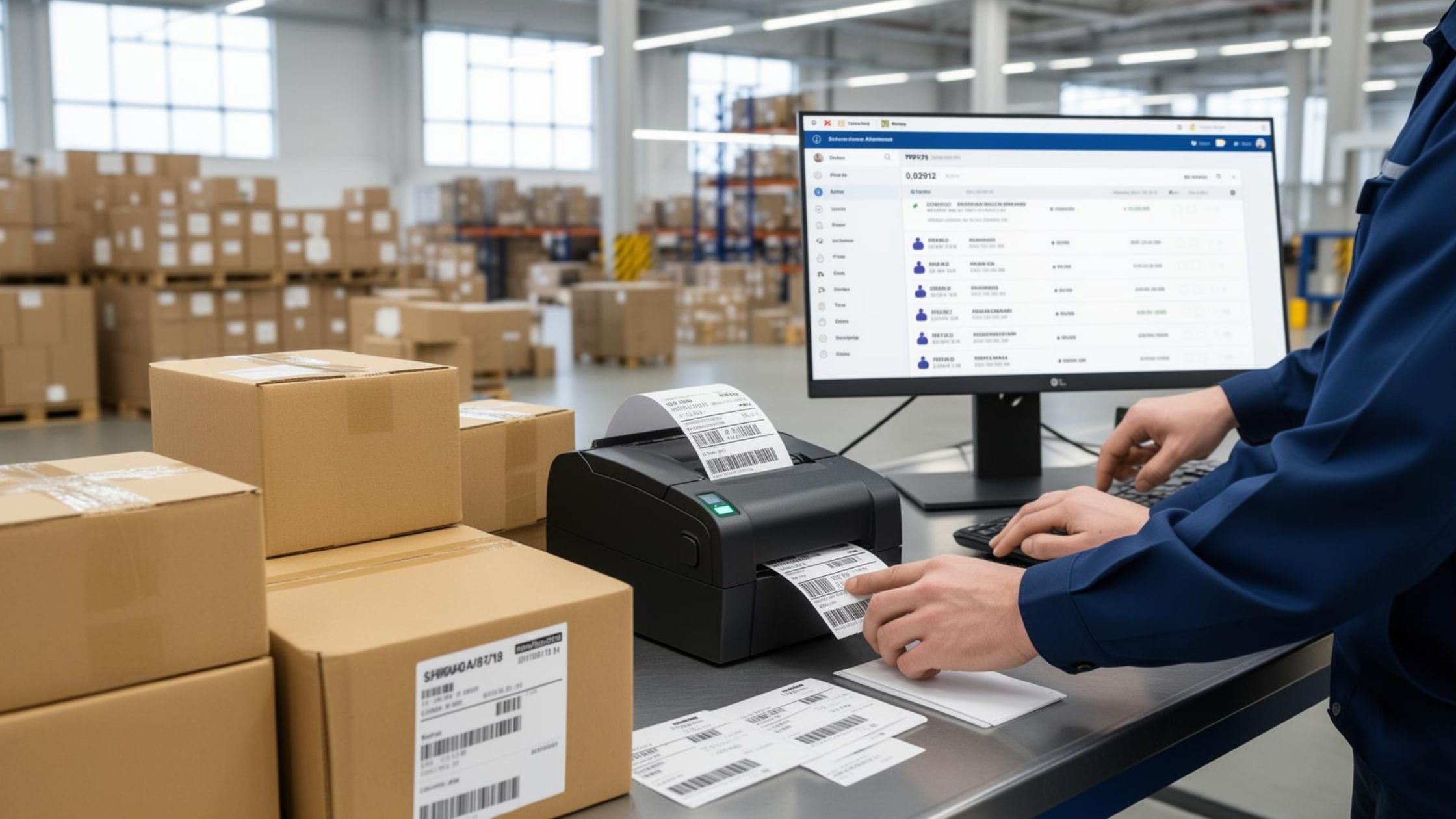
Labor is a hidden shipping cost. If your team spends 3 minutes per order printing labels individually, you are losing thousands in hourly wages. Manual entry also leads to a 3–5% error rate.
3. Create a Smarter Post-Purchase Workflow
The post-purchase stage is where many brands quietly lose money and customer trust. By centralizing the workflow into one dashboard, combining real-time tracking, automated returns, and AI-assisted support — small businesses can stay proactive instead of reactive.
The 2-Minute Shipping Health Check
- Receiving customer email asking for order updates (WISMO tickets)
- Tracking your fulfillment workflow on a different portal
- Handling returns manually or via email threads
- Support team responding to delays instead of preventing them
- Delivery issues leading to refunds or reships
- Post-purchase tools require separate logins or portals
- Feedback loops stop after checkout instead of after delivery
If you answered yes to any of the above, your post-purchase workflow is costing you both revenue and customer trust.
4. Stop Shipping "Air"
Small businesses should optimize their packaging to avoid the "Dimensional (DIM) Weight" trap. Carriers don’t just bill you for how much a box weighs, they bill you for the space it takes up in their truck. So, if you ship a small item in a large box, you are paying for "air"— the cost for empty space, and it's expensive.
5. Switch to ShipKasa
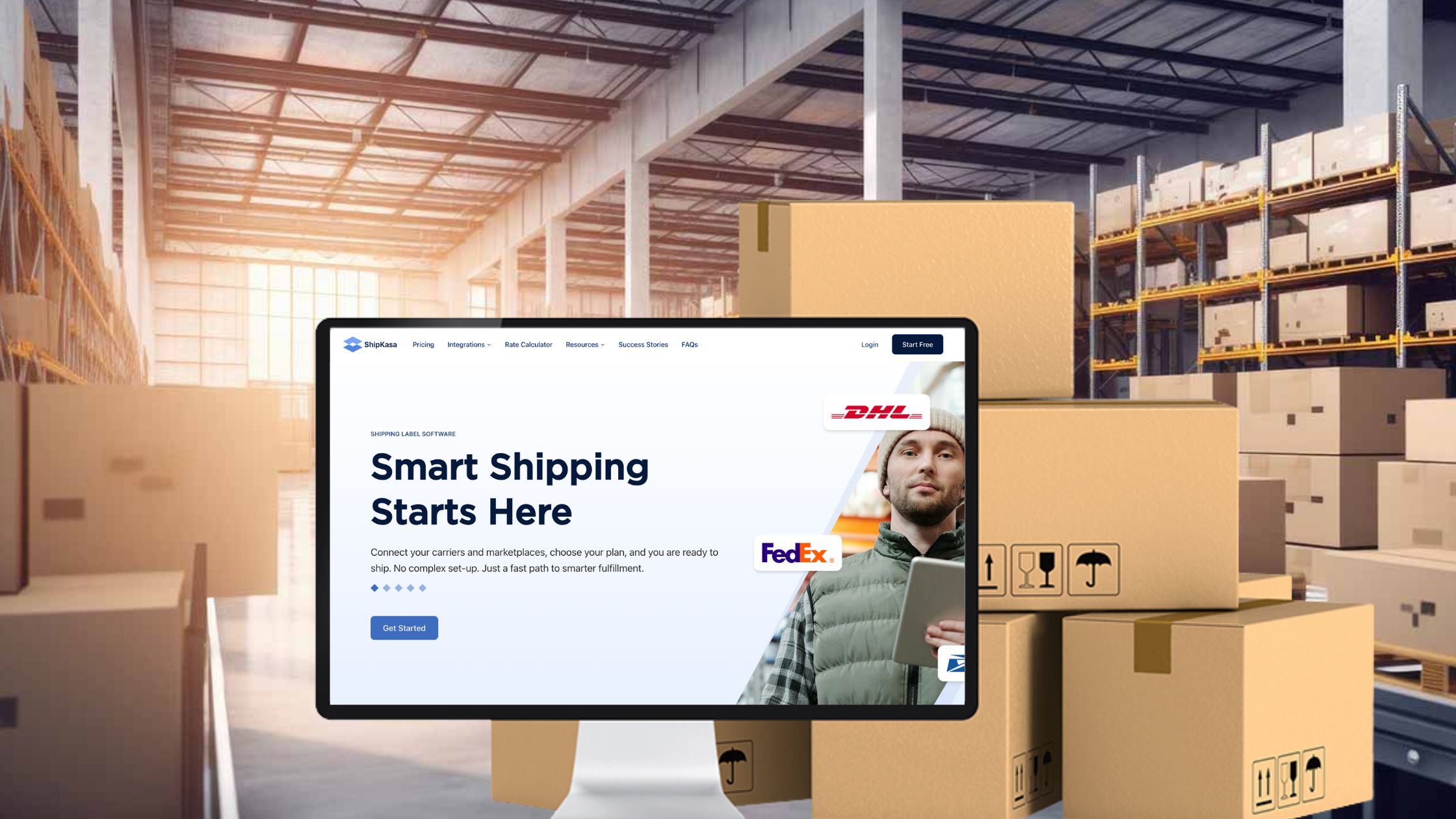
At the end of the day, running a business is about two things: protecting your profit and keeping your customers happy. Shipkasa is the "all-rounder" problem solver that helps you do both. By switching to ShipKasa, you aren't just buying a label generator, you are investing in a dedicated automated infrastructure. Instead of jumping between five different apps to check rates, print labels, and track packages, Shipkasa brings everything into one centralized dashboard. It’s built for growing brands that need to save money today while building the trust that brings customers back tomorrow.
Implement these strategies and save on every shipment without compromising reliability or customer satisfaction. Trust us! Afterall, smart shipping starts with ShipKasa.